From Rock Bottom to Purpose: How Brad and Yasmin Rebuilt Their Lives Through Recovery
Listen or watch on your favorite platforms
 YouTube
 Apple Podcasts
 Spotify
With Brad and Yasmin
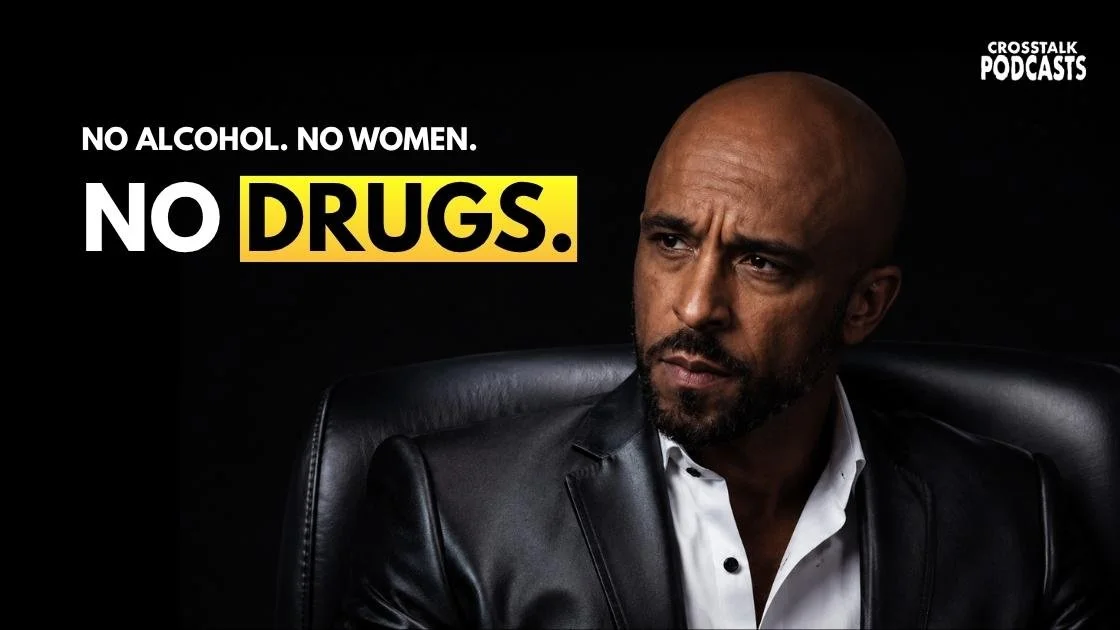
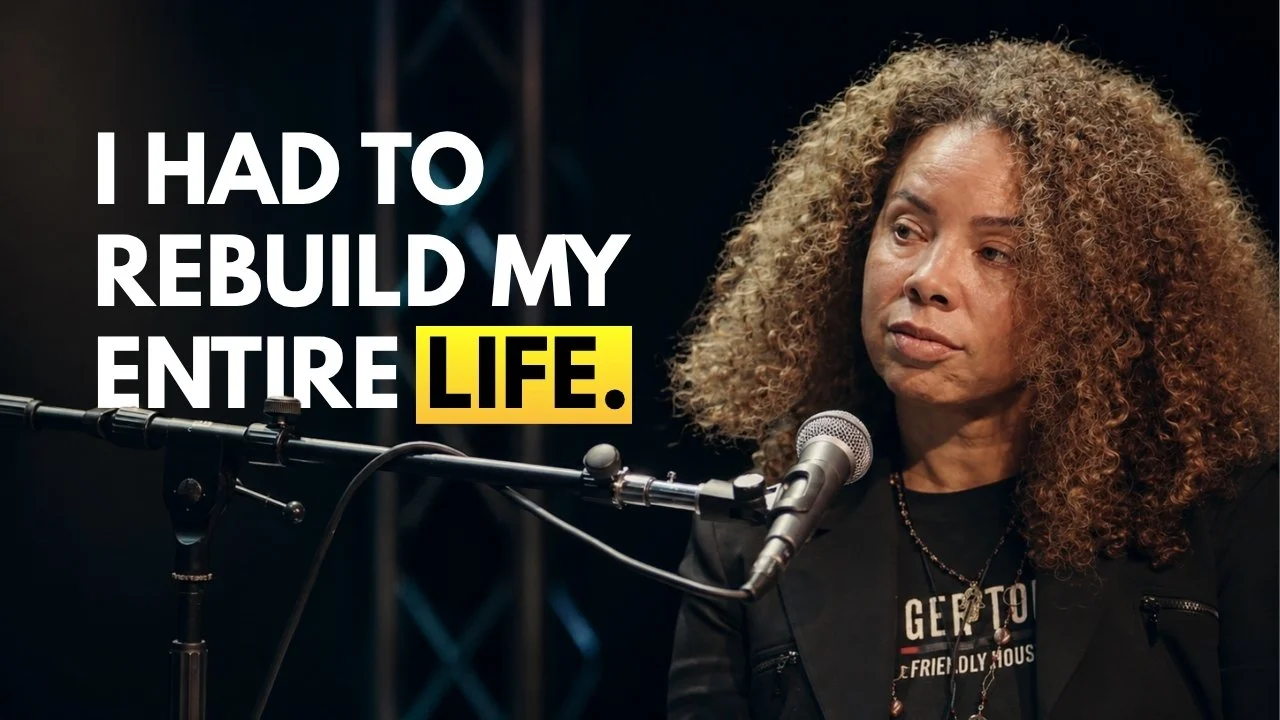
On this week's episode of Crosstalk Podcasts, we sit down with Brad and Yasmin, two recovery professionals whose personal journeys through addiction, trauma, and treatment shaped the work they do today.
This isn't just a conversation about getting sober.
It's about accountability, emotional growth, resilience, and discovering that recovery isn't about returning to who you were before addiction. It's about becoming someone stronger, wiser, and more authentic than you ever imagined possible.
Addiction Doesn't Always Look the Way You Expect
Brad and Yasmin's stories challenge many of the stereotypes surrounding addiction.
Yasmin grew up on Manhattan's Upper East Side, appearing to have everything together from the outside. Brad attended prestigious schools and excelled academically despite years of substance use.
Their experiences reveal an uncomfortable truth: addiction doesn't discriminate.
It can exist behind achievement, social status, ambition, and carefully curated appearances. The real struggle often remains hidden beneath the surface, masked by success and the ability to maintain the illusion that everything is under control.
For both Brad and Yasmin, recovery began when that illusion could no longer be sustained.
The Power of Radical Accountability
One of the most transformative moments Yasmin shares happened during treatment.
After blaming everyone around her for her circumstances, a therapist challenged her perspective with a difficult truth: her choices had contributed to where she was.
As painful as it was to hear, that realization changed everything.
If her choices had led her into chaos, perhaps her choices could also lead her out of it.
Recovery required moving beyond blame and embracing personal responsibility—not as punishment, but as empowerment.
Why Recovery Is About More Than Quitting Substances
Throughout the conversation, Brad emphasizes that sobriety alone isn't enough.
Many people enter recovery emotionally stuck at the age when their substance use intensified. Learning to function without substances means developing skills that addiction interrupted: communication, boundaries, emotional regulation, honesty, and resilience.
The work of recovery becomes the work of growing up.
It's uncomfortable. It requires vulnerability. But it's also what allows lasting transformation to occur.
The People Who Show You the Way Out
Yasmin describes recovery using a powerful analogy.
Imagine falling into a deep pit with no visible way out.
Many people may stop to offer advice or sympathy, but someone in recovery climbs down beside you and says, "I've been here before. I know the way out."
That sense of connection became essential to both of their journeys.
Sponsors, alumni communities, mentors, therapists, and peers provided something addiction could never offer: genuine understanding paired with accountability.
Recovery, they explain, isn't meant to happen in isolation.
Learning to Endure Discomfort
One of the recurring themes throughout the episode is the importance of staying committed even when life remains difficult.
For Brad, early recovery involved unstable housing, difficult living situations, financial challenges, and rebuilding his life from the ground up.
For Yasmin, it meant confronting painful truths about herself and dismantling the identity she had spent years protecting.
Neither story follows the neat narrative of instant transformation.
Instead, lasting recovery emerged through consistency: showing up, making healthier choices, seeking support, and continuing forward despite uncertainty.
Growth Happens Through Daily Practice
Recovery isn't built through grand gestures.
It's developed through repeated actions that reinforce new ways of living.
Keeping commitments.
Being honest.
Setting boundaries.
Taking responsibility.
Supporting others.
Choosing integrity even when no one is watching.
Over time, those seemingly small decisions reshape identity.
The person who once relied on substances to cope slowly becomes someone capable of navigating life with clarity, purpose, and self-respect.
Why Their Story Matters
Brad and Yasmin remind us that addiction often hides in places people least expect.
It can affect high achievers, caregivers, professionals, and individuals who appear to have everything under control.
Their stories also offer hope.
Recovery isn't reserved for a select few. It is available to anyone willing to embrace honesty, seek support, and commit to the ongoing process of growth.
Healing doesn't erase the past.
But it can transform pain into purpose, isolation into connection, and chaos into a life built on intention and authenticity.
FAQs
Who are Brad and Yasmin?
Brad and Yasmin are therapists, consultants, and advocates in the recovery community who draw from both professional expertise and personal experience with addiction and treatment.
What is the main message of this episode?
The episode emphasizes that recovery is about much more than abstaining from substances. It involves accountability, emotional development, community support, and rebuilding a meaningful life.
Can people from successful backgrounds struggle with addiction?
Absolutely. Brad and Yasmin's stories highlight that addiction affects people across all socioeconomic backgrounds, professions, and life experiences.
What role does community play in recovery?
Community provides accountability, encouragement, understanding, and guidance. Recovery often becomes more sustainable when individuals surround themselves with supportive people who understand the journey.
Is recovery a one-time decision?
No. Recovery is an ongoing process shaped by daily choices, consistent effort, and a willingness to continue growing through life's challenges.
Related episodes


ABOUT CROSSTALK

CROSSTALK reveals real stories of everyday people and notable figures, sharing their journeys from struggles to life-changing 'aha' moments with all kinds .



I Spent Years Running From Myself Until Recovery Taught Me to Be Seen